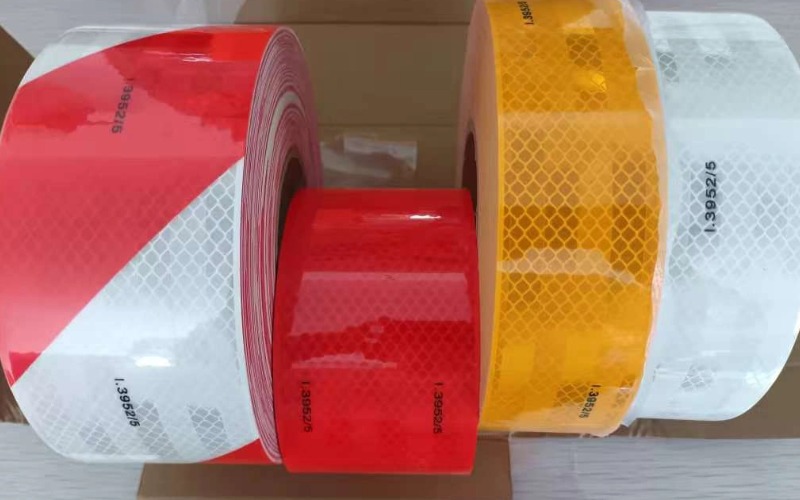
As inland waterway shipping grows in strategic importance within the integrated transport system, safety management along ports and waterways has also entered a new stage. By incorporating reflective materials into quay-front markings, restricted zones, traffic flow guidance, and ground signage, ports can better organize on-site operations, regulate vehicle and personnel movement, and significantly improve overall safety and efficiency.
1. The Role of Reflective Sheeting in Inland Waterway Safety
Night navigation, fog, rain, and other low-visibility conditions make inland waterways particularly vulnerable to collisions and hidden operational risks. In these scenarios, reflective sheeting has become increasingly essential.
Rather than replacing existing safety facilities, reflective materials work as a complementary enhancement—helping vessels maintain situational awareness and ensuring that safety and efficiency remain balanced throughout navigation on critical waterway corridors.
2. Application Scenarios of Reflective Sheeting in Inland Waterways
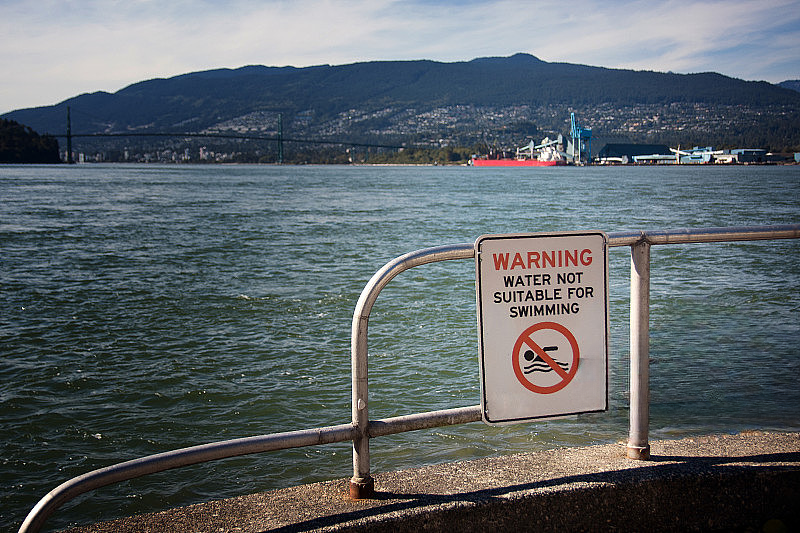
1) Waterway Signage and Channel Marking Systems
Channel-side warning signs, bridge collision-avoidance devices, water level markers, restricted navigation signs, and sluice-gate warnings commonly rely on high-performance reflective sheeting.
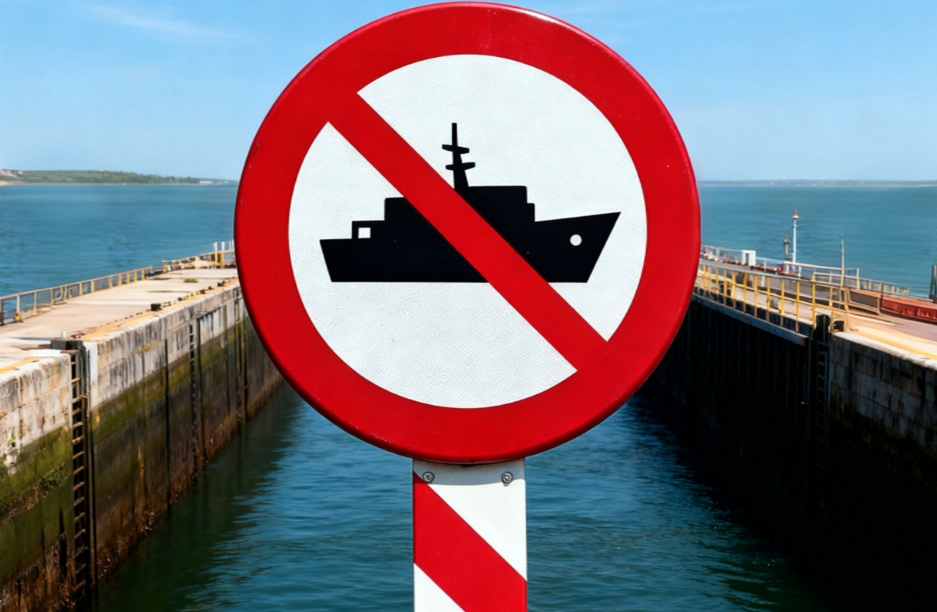
High-contrast colors paired with strong retroreflective properties enable key information to be identified quickly—especially in environments where visibility is compromised.
Reflective sheeting effectively increases the visible range at night or during fog, giving vessel operators more reaction time. On key infrastructures, it forms a continuous, high-efficiency visual navigation network, helping every navigation node remain clearly recognizable even in challenging conditions.
2) Vessel Safety Markings
Reflective materials also form a mobile safety barrier on vessels themselves.
Silver-white contour tapes applied to both sides of the hull clearly define vessel outlines at night. Lifeboats, rescue devices, and on-deck equipment typically use marine-grade high-brightness reflective tape, while yellow-black anti-slip reflective stripes mark deck edges and hazard zones.
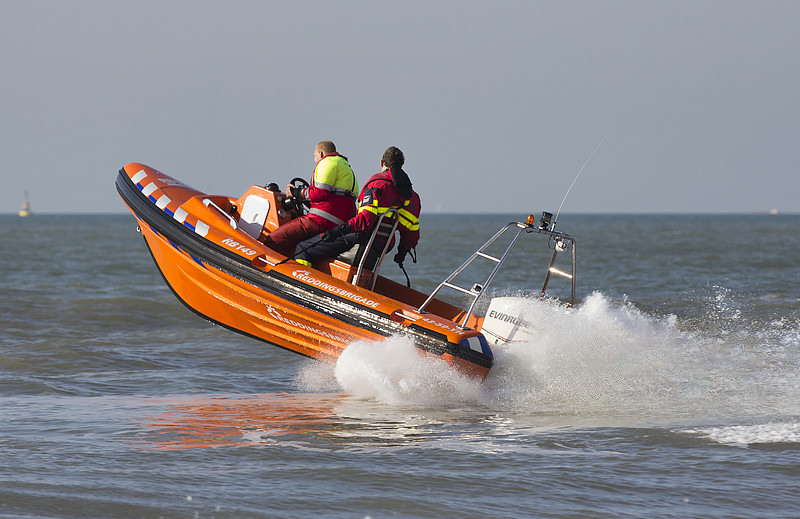
This layered system helps captains immediately identify the size, type, and structure of nearby vessels—reducing collision risks.
Microprismatic marine sheeting provides extremely high reflectivity and retains visibility even in near-dark conditions. With resistance to salt spray, humidity, corrosion, and extreme temperatures, it is well-suited for inland waterways' harsh operational environments.
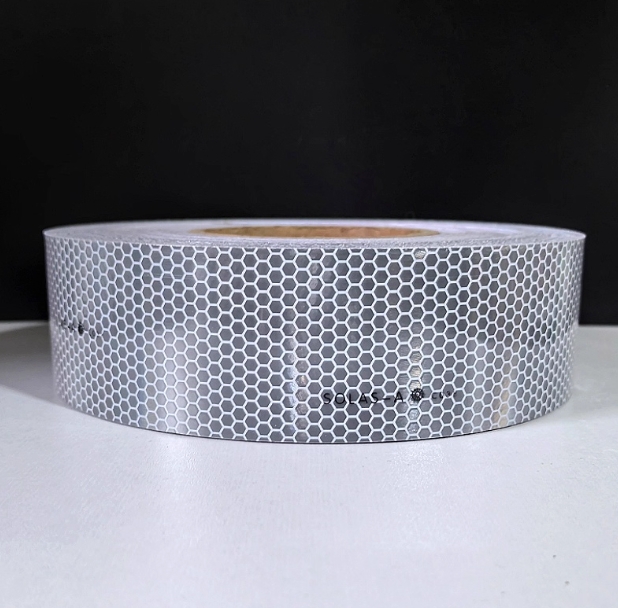
As green and intelligent shipping advances, reflective sheeting also complements systems such as the Yangtze River smart vessel monitoring network. When vessels deviate from planned routes, high-reflective markings assist drones and vision-based sensors in rapid target recognition—creating dual protection through digital monitoring and physical markers.
3) Port Traffic Signage
Within ports—especially large hubs handling over 100 million tons annually—traffic signs serve as an invisible but crucial command system.
When equipped with high-quality reflective sheeting, port signage remains clear under complex lighting, continuous operations, and changing weather. This reduces misinterpretation of prohibition signs, improves navigation of restricted areas, and minimizes potential accidents.
Reflective materials turn safety instructions into operational efficiency. For example:
No-flame signage reduces fire risk in storage areas
Navigation restriction signs maintain orderly vessel movement
Hazard warnings enhance risk prevention during 24-hour loading and unloading
This shift from hardware expansion to service-oriented safety management is key to modern port development.
3. Policy Support and Digitalization Opportunities
The signing of the Joint Initiative on Promoting the Digital Transformation of Yangtze River Waterway Infrastructure marks a significant opportunity for cross-sector use of reflective sheeting.
By applying specialized reflective products on navigation marks, bridge piers, shorelines, and sluice gates, digital systems such as unmanned vessels and autonomous navigation platforms can detect high-contrast reflective surfaces from greater distances—far beyond the capability of human eyesight.
Reflective sheeting becomes a cost-efficient, stable bridge between the physical and digital layers of waterway safety.
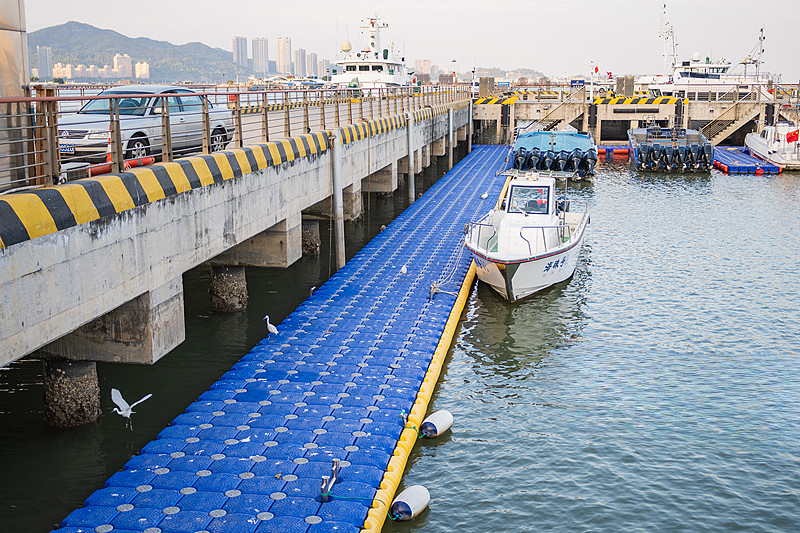
With China's growing investment in inland waterway infrastructure in 2025, the large-scale adoption of reflective materials is set to accelerate. Under coordinated regulatory frameworks, reflective sheeting may even evolve into a unified “visual language”for cross-regional waterway operations.
Conclusion
From clear channel markings to vessel contour visibility and proactive port safety management, reflective sheeting plays a vital role in strengthening the safety foundation at the water–land interface.
As materials, standards, and application scenarios continue to evolve, inland waterway transportation is moving toward a safer, smarter, and greener future guided by the reliable glow of reflective technology.